Period poverty: Can reusable products solve the issue?
May 6th, 2026
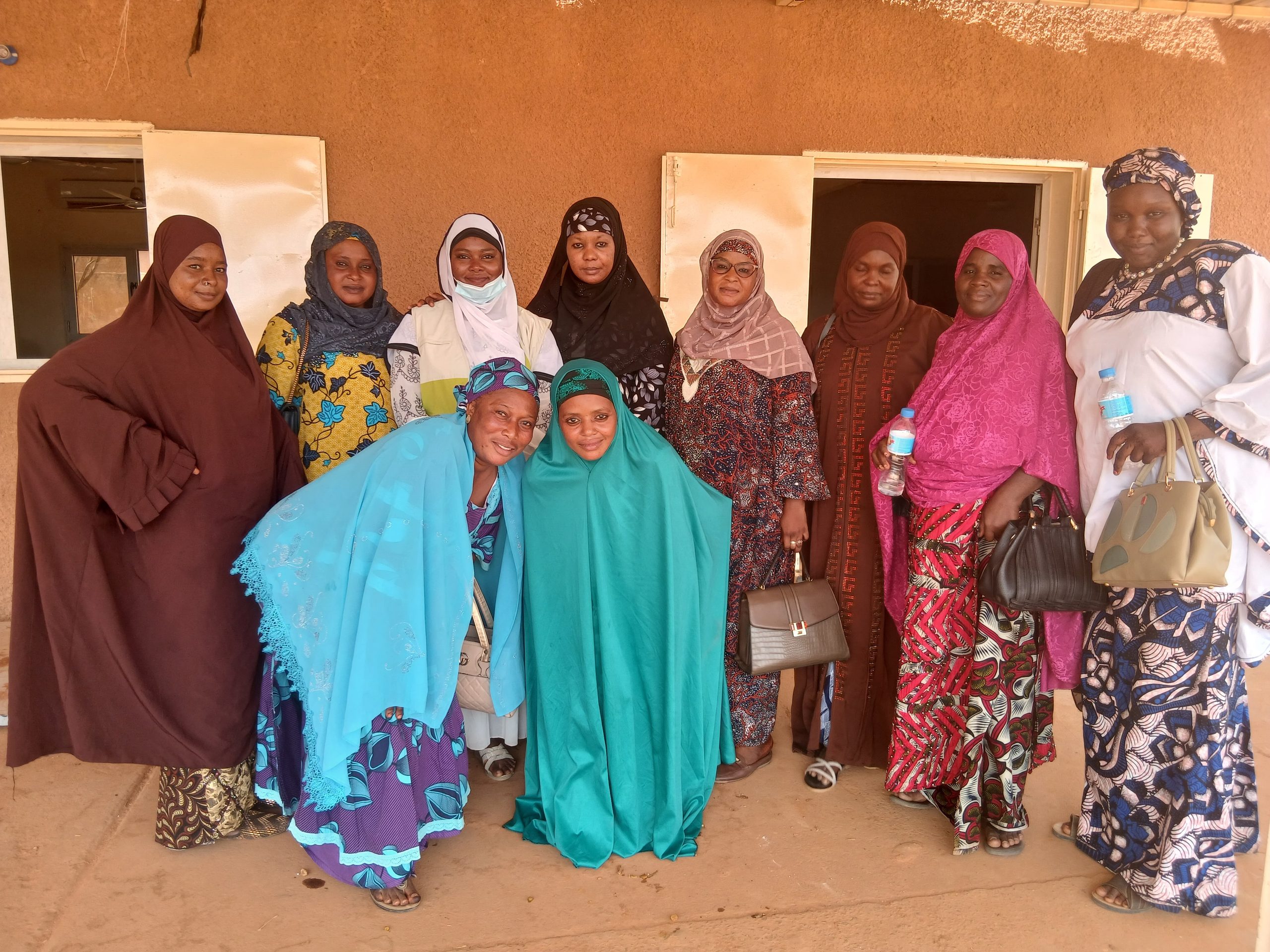
Half the world’s population gets period. It is one of the most ordinary things a human body does. Yet for women in Niger, it is still an expensive, stigmatised and isolating event that effects one week out of every four in a women’s life. A joint assessment was conducted by UN Women and WSSCC which surveyed 1,310 individuals across four regions in Niger in 2017. The survey found that over 50% of women in Niger lack aceess to safe and dignified menstrual hygiene management. Another study by Performance Monitoring and Accountability 2020 (PMA2020) data shows that 35% of schoolgirls miss school during their periods due to lack of access to sanitary products. Due to the social stigma women and girls don’t have the safe space to talk about menstrual management hence suffer alone.
“A period is not a luxury. The products that manage it should not be either.” Jane Hutt, Minister for Social Justice, Wales. This reminds us that a basic necessity is everyone’s right.
This is not just a health issue. It is an equality issue. Good Neighbours UK (GNUK) along with Good Neighbors Niger are trying to solve by providing a sustainable solution. Our approach is simple. We are reducing women’s dependence on imported disposable products that they cannot afford and training them to produce reusable menstrual hygiene kits within their own communities.
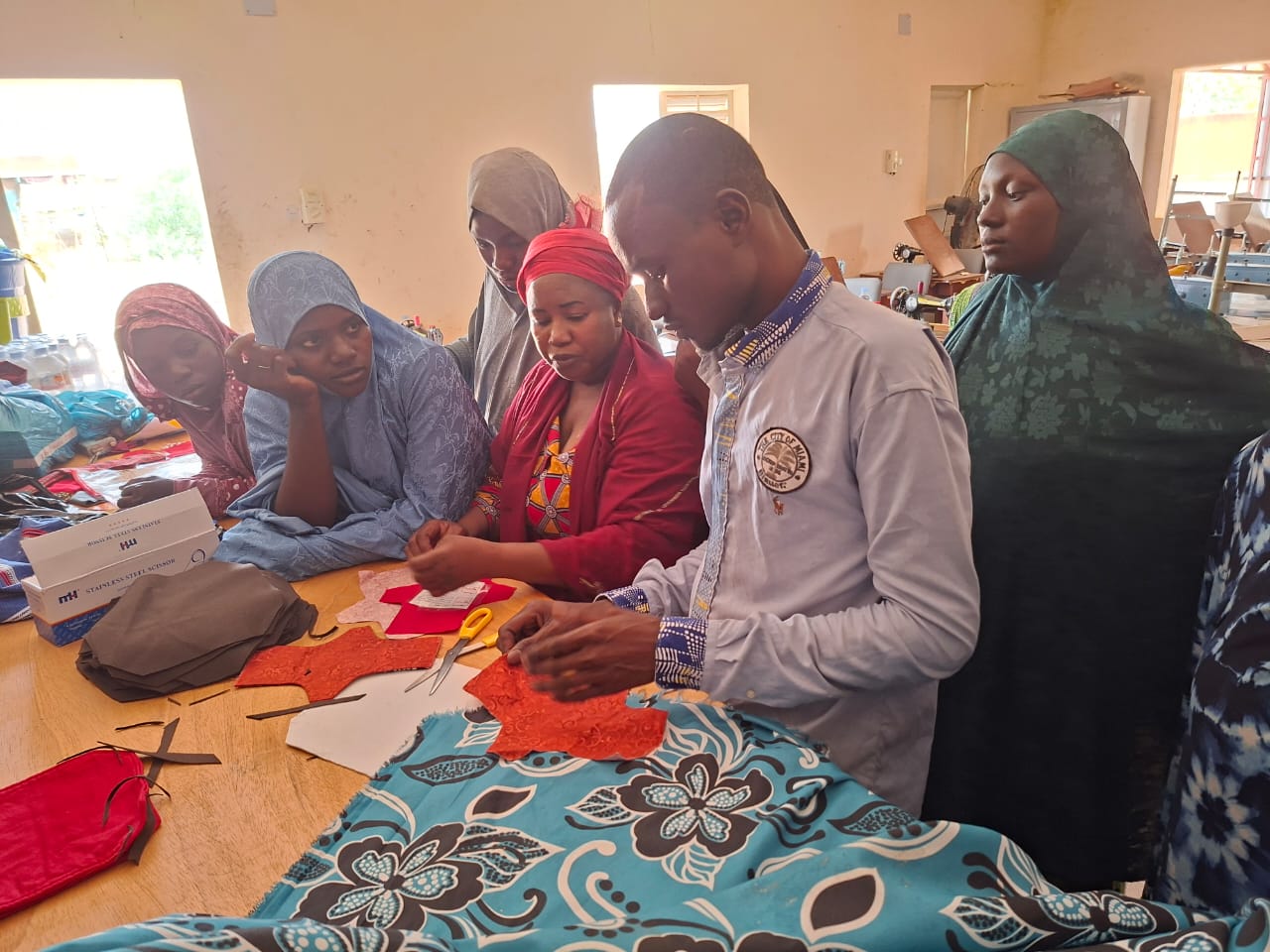
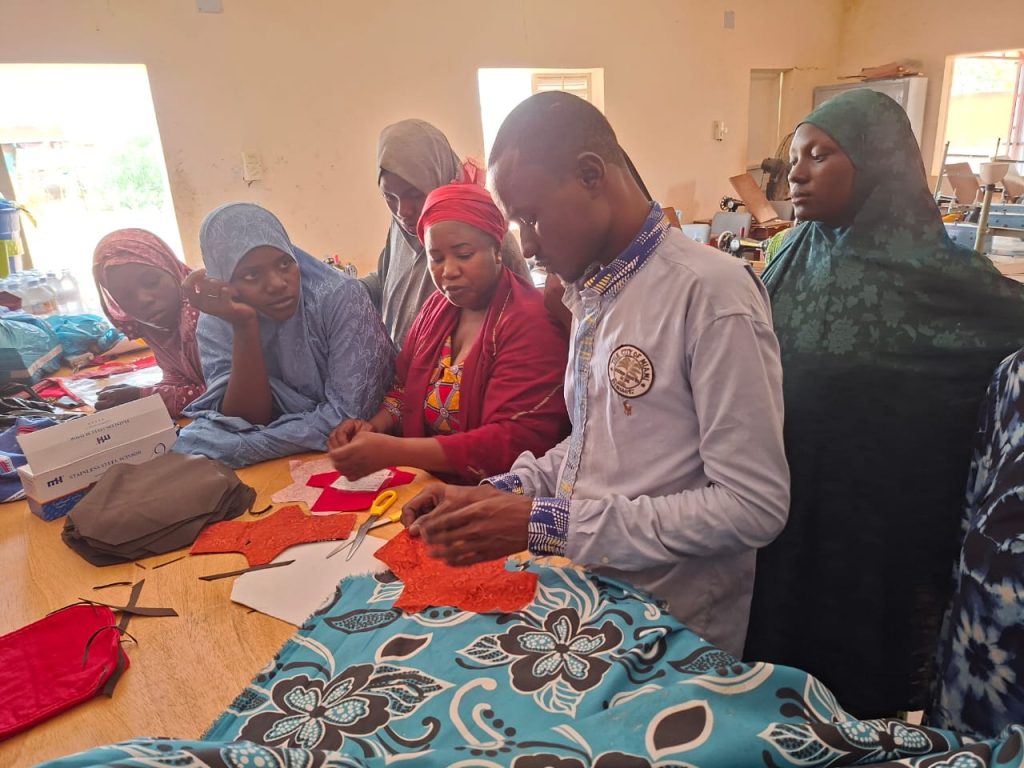
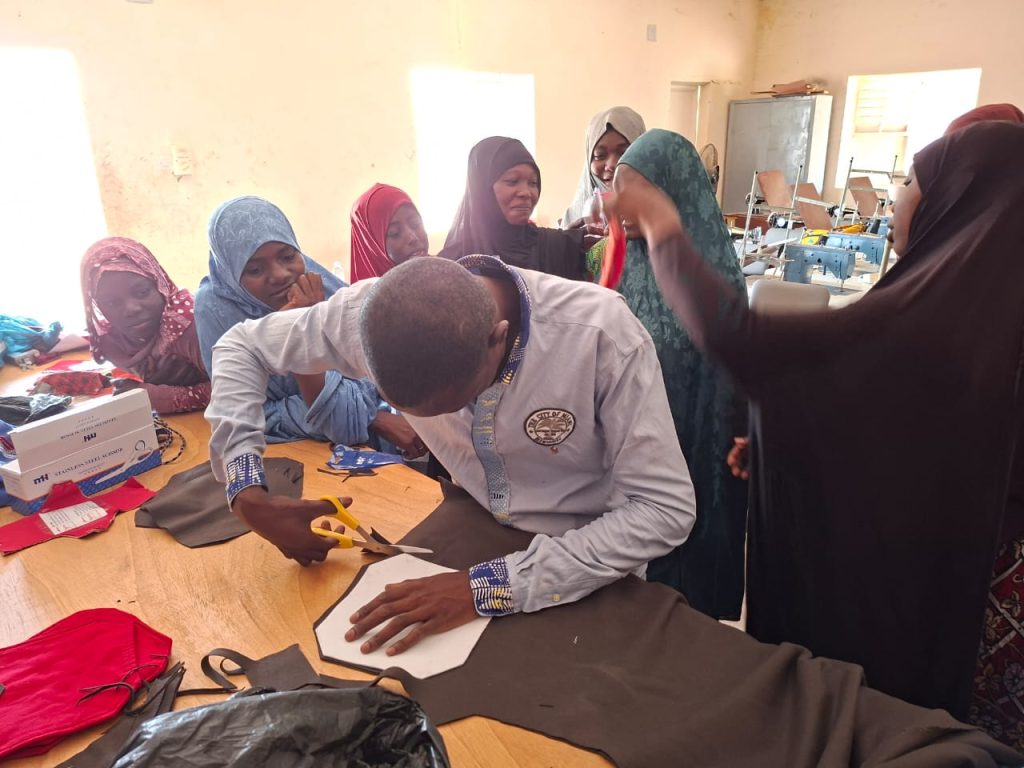
Through a Niyya da Kokari women’s sewing cooperative of 33 women, we are equipping women with the skills and resources to manufacture reusable menstrual health kits locally. Making it far more affordable over time and environmentally sustainable, and the women are supported to become skilled producers and entrepreneurs, instead of simply the recipients of aid.
Trained cooperative members will then be connected to markets, enabling them to sell kits beyond their immediate communities and generate income. The revenue generated will stay in women’s hand and strengthen household finances while ensuring that affordable, locally made products are readily available. This new model converts menstrual hygiene from a financial burden into a source of economic independence for women.
To deal with the social stigma that comes with menstruation. We are creating awareness in girls and women with the help of educational materials. This includes books and dedicated period guides being distributed to 270 schoolgirls, 12 teachers and 20 parents. These resources have been carefully designed, by aligning with local cultural contexts. Our aim is to open new conversations in families and schools, building the awareness and knowledge that make lasting behaviour change possible.
Period poverty is not inevitable. When women are equipped with both knowledge and economic opportunity, a sanitary pad stops being a luxury and becomes what it always should have been: a basic, accessible part of everyday life.
Building on Success: Healthy Mothers Project Enters Phase II
We are pleased to inform that Good Neighbours UK have been selected for further funding from the Guernsey Overseas Aid and Development Commission (GOAC). Along with our partner in the field, Good Neighbours Niger (GN Niger...
From Seoul to York and Everywhere In Between: Celebrating Over 35 Years of Being Good Neighbours
Good Neighbours UK is celebrating the anniversary of the global Good Neighbors partnership. It was started by a group of friends in South Korea who had a dream of a more harmonious world without hunger. Good Neig...
Classrooms Without Borders: Good Neighbours UK Brings Nepal’s Inclusion Story to York St John
James Gold from Good Neighbours UK (GNUK) recently delivered a guest lecture at York St John University, as part of the first-year Sociology module, Identities. Drawing on his dissertation research, he ...