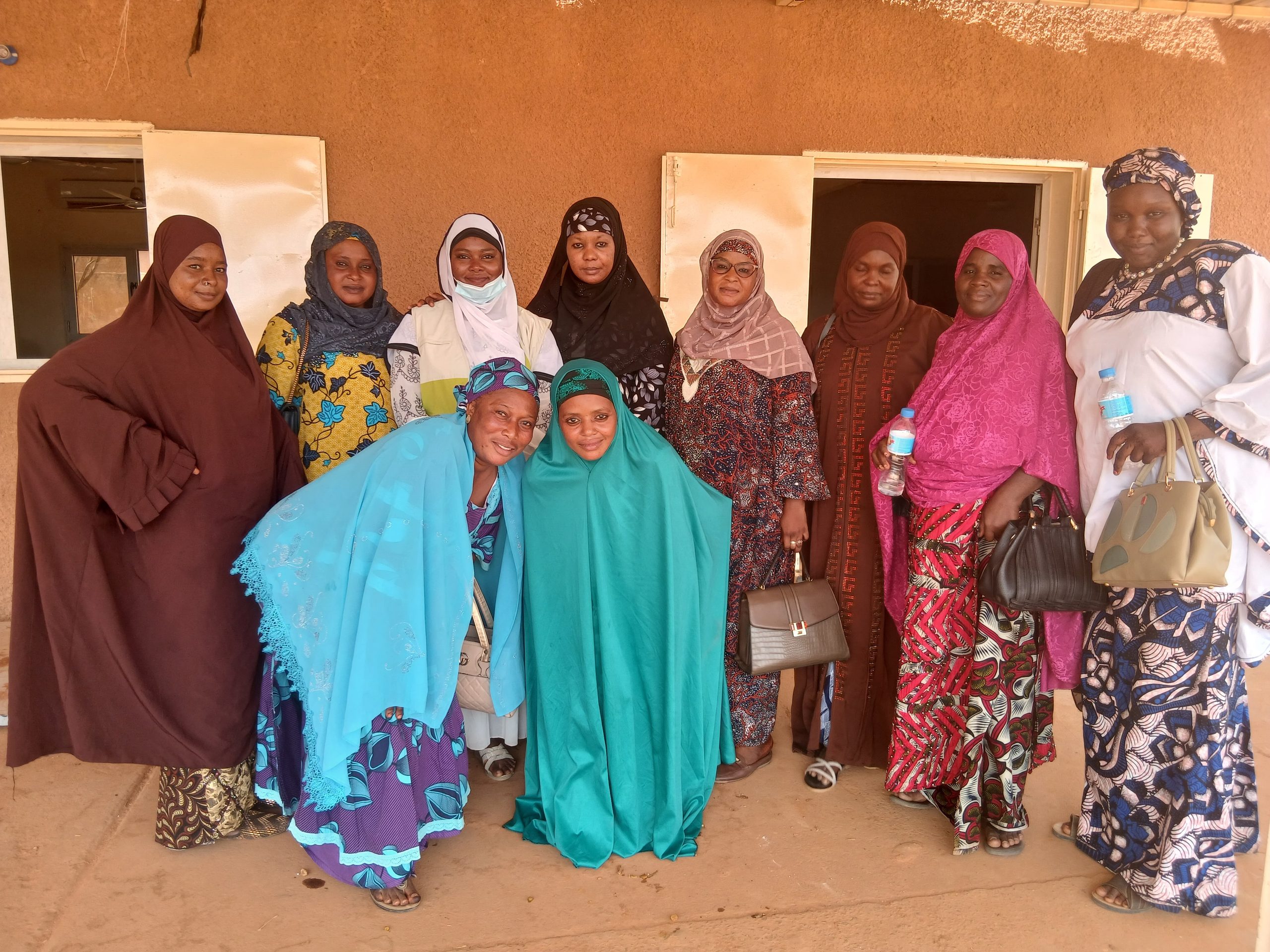
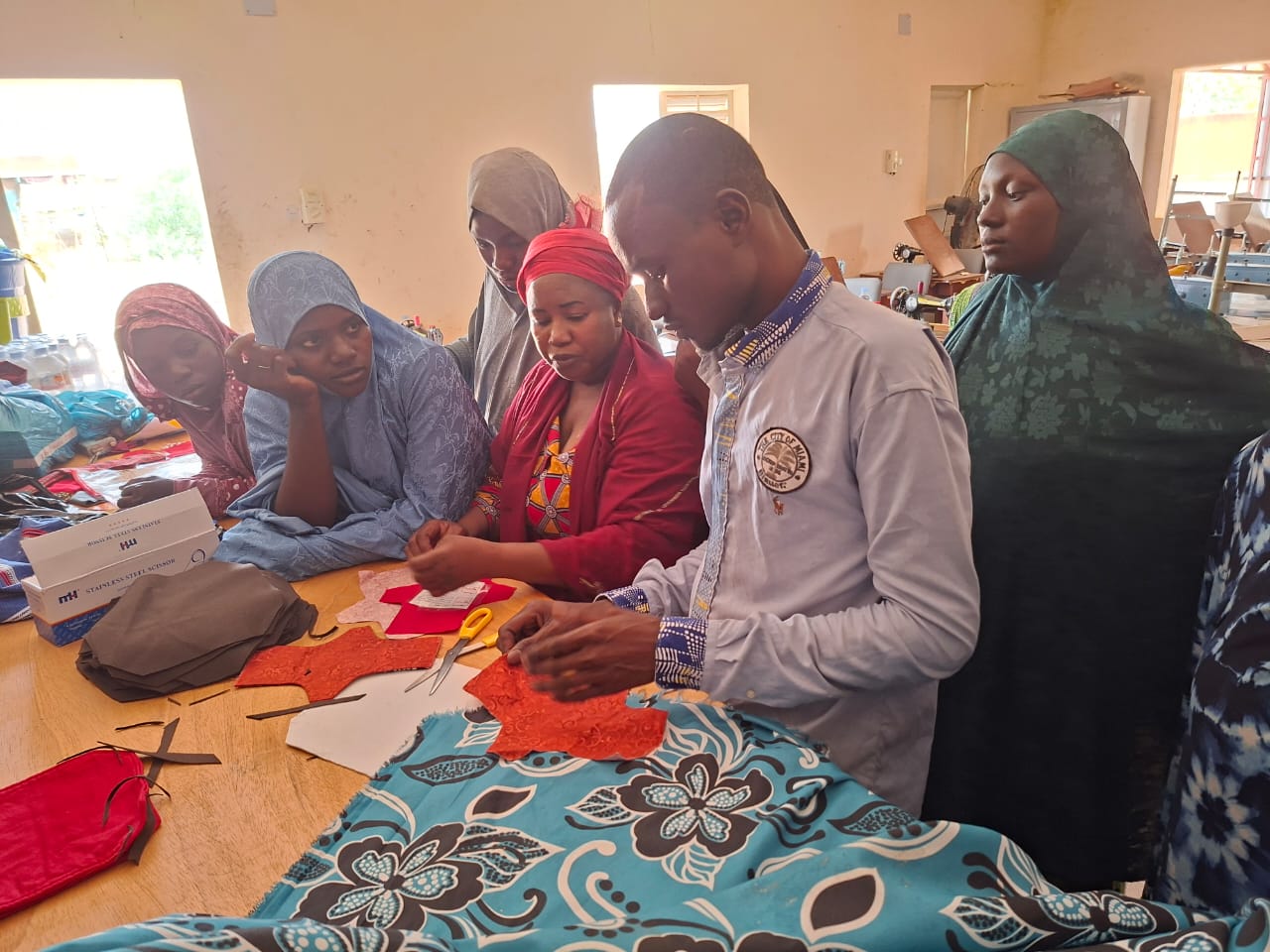
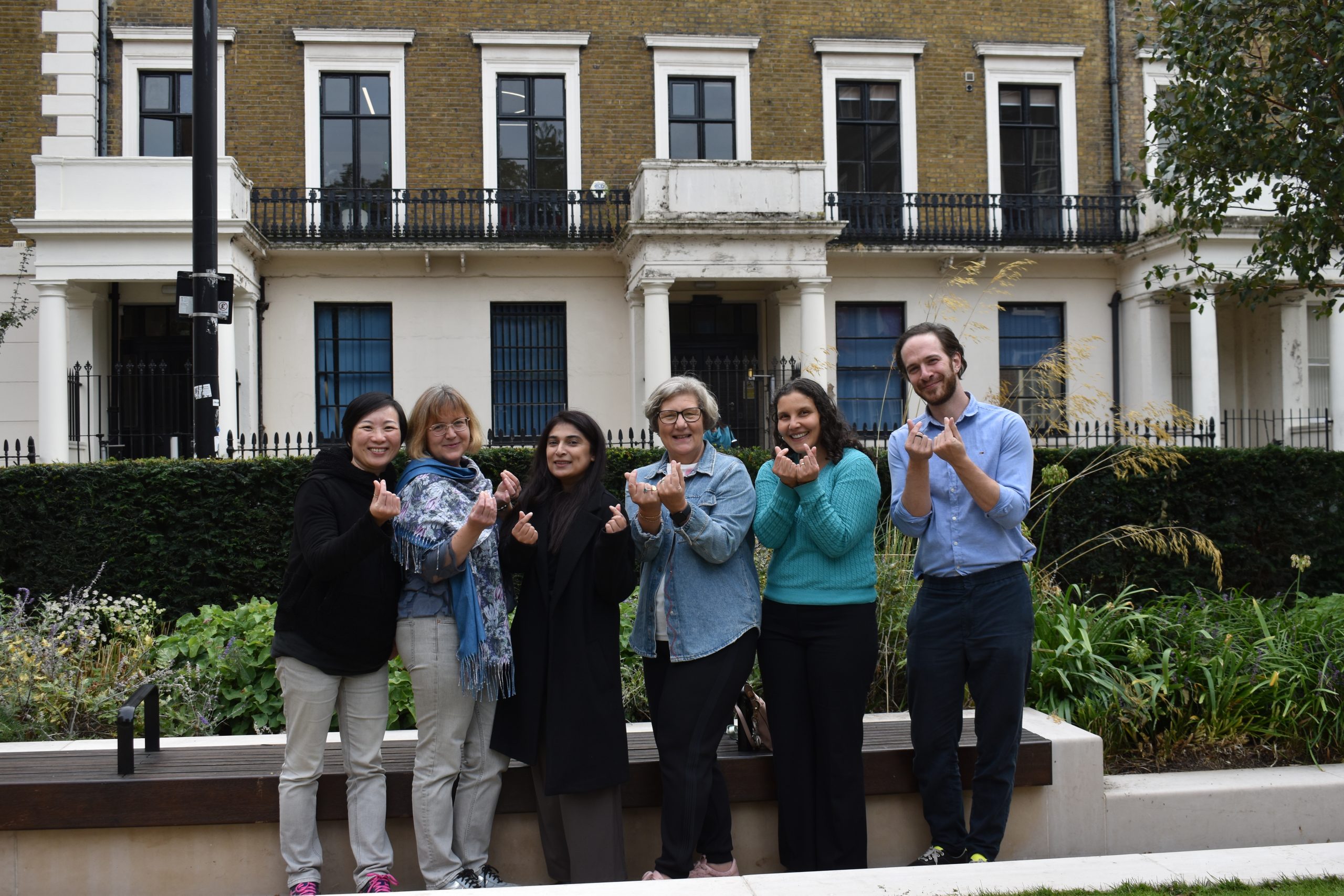
In the Jinja region in Uganda, located approximately 100 km east of Kampala, Good Neighbours has implemented the Girls Ambassadors programme to support projects centred on girl empowerment in a bid to challenge pervasive traditional gender norms which exposes girls and women to long-standing education inequality, discrimination, early marriage, and gender-based violence.
Data from the Uganda Demographic and Health Survey and the Uganda Bureau of Statistics, show that in 2018, 10% of all women between 15 and 49 years old have never received a formal education with 57% attended primary school and only 25% completing secondary school. Similarly, 43% of Ugandan women marry before turning 18, compared to only 10% of men. The effects of this are as follows: 35% of women experience their first childbirth before the age of 18; about 1 in 5 women becomes sexually active before the age of 15 and 25% of adolescent girls between ages 15 and 19 are either pregnant or have already delivered a child. The disparities are even more severe between urban and rural areas; the rate of teenage pregnancy is higher in rural areas (27%) than it is in urban settings (19%).
This is even though Uganda’s constitution outlawed child marriage for children under the age of eighteen in 1995, while Article 21 of the Constitution of the Republic of Uganda provides for equality under the law and freedom from discrimination. The Uganda Commission on Equal Opportunities, a statutory body established by the Equal Opportunities Act of Parliament in 2007, has been continually strengthened with a robust legal framework to enshrine gender equality into law.
Existing evidence shows that girls and women’s sole involvement as individual agents of change is not enough to transition from traditional gendered roles to a more progressive outcome where women are better represented in the education and employment sector, as well as in positions of leadership. While the Girls Ambassador programme has helped girls feel more empowered in their everyday lives through the choices they make regarding their wellbeing, they also become more assertive and confident at identifying gender biases in their community and standing up for their rights. However, to address cross-sectoral gender inequity there is a need for a multi-dimensional approach that brings different pockets of society to act on pervasive gender discrimination which deprives women of their voice in the household, at school and at the community level.
The Girls Ambassadors programme led by Good Neighbours since 2017 attempts to rectify heteronormative gendered roles through regular girls-led clubs and education programmes focused on peer learning, reproductive health, and menstrual hygiene management. Alongside this, it also delivers community sensitisation programmes that brings togethers boys, teachers, parents, and community leaders to promote gender equality initiatives and girls’ rights advocacy and campaigns.
The programme has impacted positively on girls, helping cement their sense of self-esteem and confidence at the intrapersonal level. However the programme also exposed an important reality, namely, that while the Good Neighbours’ Girls Ambassador programme helped individual girls recognise the gendered social limitations they experience in their everyday life, they also reported tensions arising between their growing awareness of their rights and the reluctance manifest in fellow peers, their family, and the broader community to act on transforming the social conditions that constrain girls and women’s social and economic advancement.
In societies where discrimination against girls and women pervade across every layer of society, achieving transformative change is no small feat, particularly when blanket interventions omit the breath, depth, and resistance from the social environment in which girls and women operate in. The Good Neighbours Girls Ambassador Programme has shown that it is necessary to involve key stakeholders including boys, men, parents, and community leaders in the process of change for achieving sustainable gender equality to challenge established patriarchal power structures which act as barriers to female empowerment. The fight for gender equality cannot be left to girls and women alone.