
Inclusive Education in Nepal

Screenshot 2026 04 28

Only 1 in 5* children with disabilities are formally identified within school systems

Over 60%* of identified children require at least one assistive device or learning aid to participate in class

Screenshot 2026 04 28 173203 (1)

70%* of teachers report no formal training in inclusive teaching methods

60%* of schools lack basic adaptations for children with physical, sensory or learning needs

Screenshot 2026 04 28 173830 (1)

Fewer than 30%* of schools or local education actors report participating in inclusive education planning or review processes

Most disability-related education decisions are made without input from OPDs, families or community representatives

Screenshot 2026 04 28

Only 1 in 5* children with disabilities are formally identified within school systems

Over 60%* of identified children require at least one assistive device or learning aid to participate in class

Screenshot 2026 04 28 173203 (1)

70%* of teachers report no formal training in inclusive teaching methods

60%* of schools lack basic adaptations for children with physical, sensory or learning needs

Screenshot 2026 04 28 173830 (1)

Fewer than 30%* of schools or local education actors report participating in inclusive education planning or review processes

Most disability-related education decisions are made without input from OPDs, families or community representatives

Our Program

In Bardiya and Janakpur, Good Neighbours UK works alongside Good Neighbours Nepal and local partners to strengthen inclusive education systems at community, school and local governance level. Our role is to support locally led approaches that respond to identified barriers, while ensuring programmes are technically sound, accountable and aligned with national inclusive education priorities. We do this by:
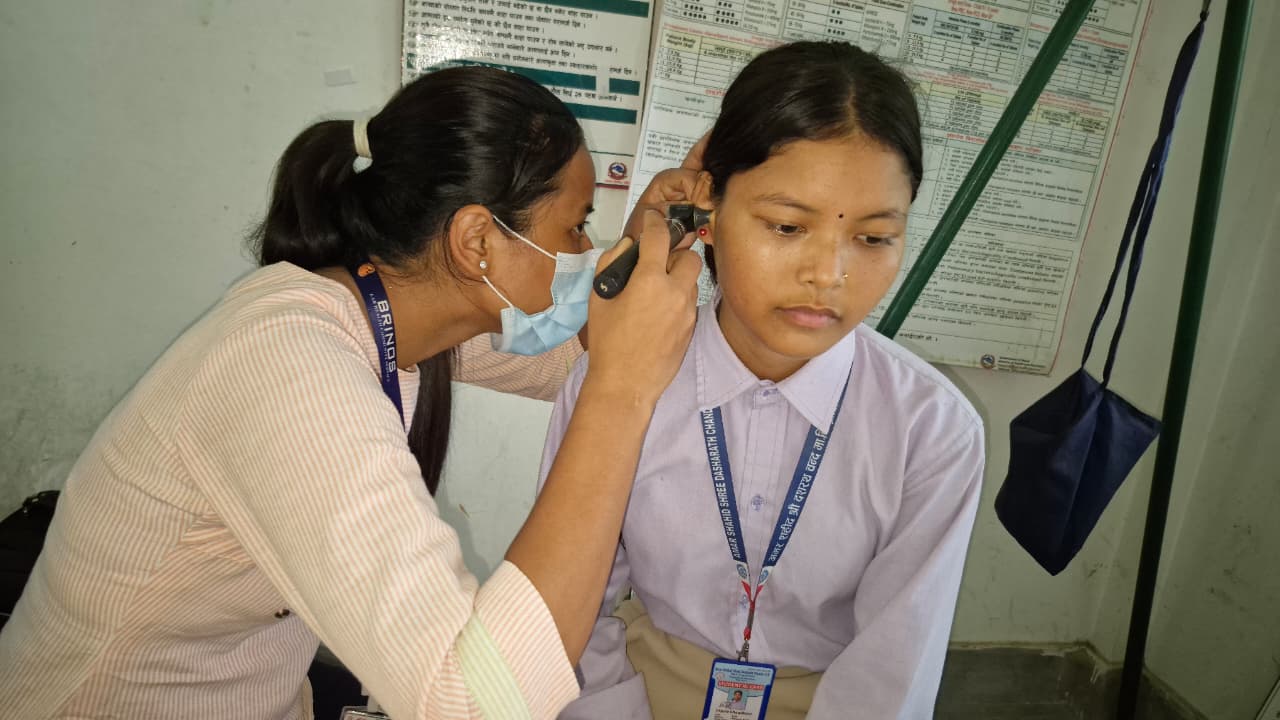
3.3. Technical Assessment hearing impairement
Supporting schools and community actors to improve early identification and referral of children with disabilities.
Many children with disabilities in Kailali District remain unidentified within school systems, meaning they receive no targeted support and are at greater risk of absenteeism and dropout. This component addresses that gap by equipping schools and community actors with the tools and knowledge to identify children with disabilities early and connect them to appropriate support.

Project staff and trained focal teachers will screen approximately 400 children across the 12 participating schools using the Washington Group Questionnaire, a standardised tool for identifying functional difficulties. Where screening indicates a need, children will be referred for professional assessment to determine eligibility for assistive devices and individual support planning.

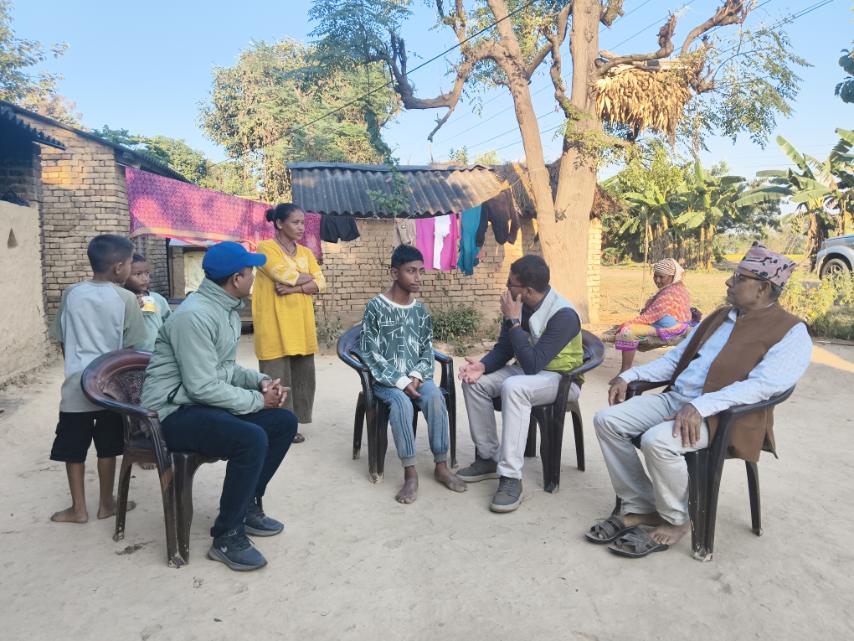
Focal teachers will be trained to develop Individualised Education Plans (IEPs) for identified children, ensuring that each child's specific learning needs are reflected in classroom practice. Beyond the school, field staff will conduct home visits and counselling with families of out-of-school children with disabilities — an approach that proved effective in the Bardiya pilot, where outreach to 72 families contributed to three children re-enrolling in school.

Community actors, including Organisations of Persons with Disabilities (OPDs) and Parent Teacher Associations, will be oriented on disability identification and referral pathways, strengthening the wider network of support around each child.
DSC 0154 (2)
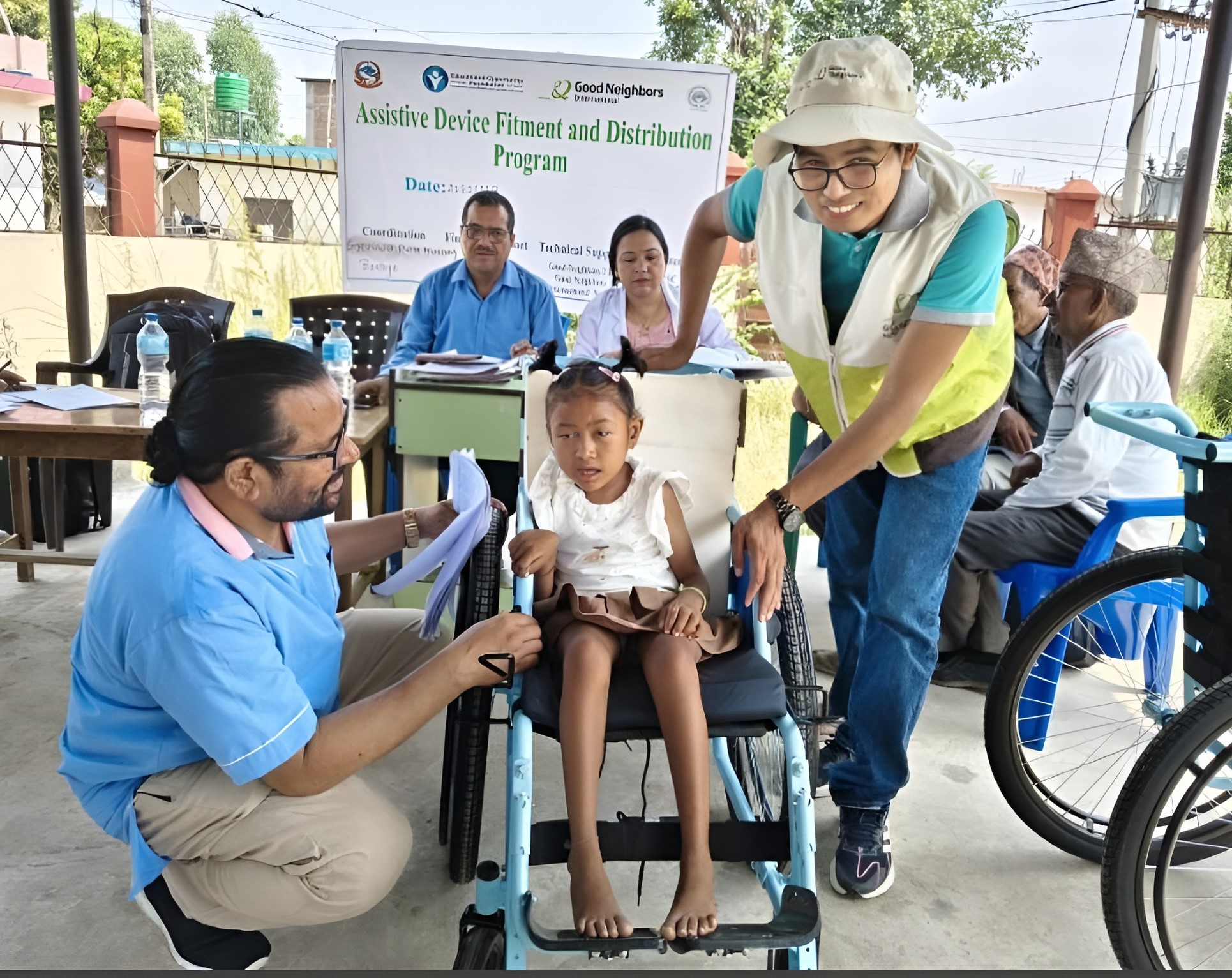
Training teachers in inclusive pedagogy & improving access to appropriate assistive devices.
Many children with disabilities in Kailali District remain unidentified within school systems, meaning they receive no targeted support and are at greater risk of absenteeism and dropout. This component addresses that gap by equipping schools and community actors with the tools and knowledge to identify children with disabilities early and connect them to appropriate support.

Project staff and trained focal teachers will screen approximately 400 children across the 12 participating schools using the Washington Group Questionnaire, a standardised tool for identifying functional difficulties. Where screening indicates a need, children will be referred for professional assessment to determine eligibility for assistive devices and individual support planning.

Focal teachers will be trained to develop Individualised Education Plans (IEPs) for identified children, ensuring that each child's specific learning needs are reflected in classroom practice. Beyond the school, field staff will conduct home visits and counselling with families of out-of-school children with disabilities — an approach that proved effective in the Bardiya pilot, where outreach to 72 families contributed to three children re-enrolling in school.

Community actors, including Organisations of Persons with Disabilities (OPDs) and Parent Teacher Associations, will be oriented on disability identification and referral pathways, strengthening the wider network of support around each child.
8.1. Home visit and counseling to CwDs and parent
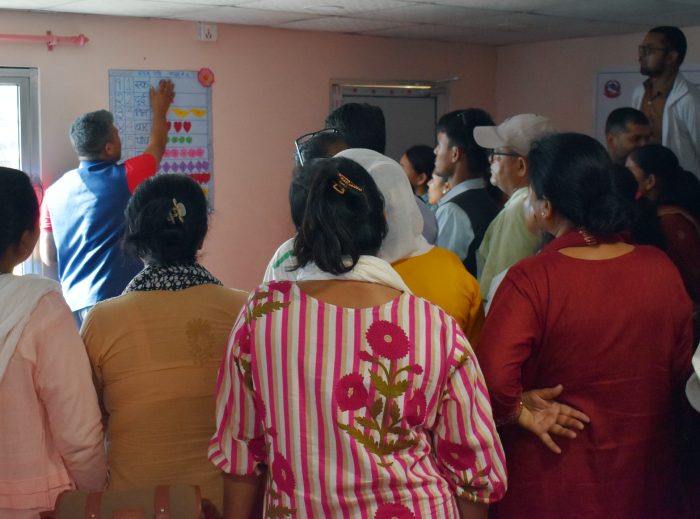
Strengthening the capacity of schools, families, OPDs and local actors to engage in inclusive education planning and review processes.
Many children with disabilities in Kailali District remain unidentified within school systems, meaning they receive no targeted support and are at greater risk of absenteeism and dropout. This component addresses that gap by equipping schools and community actors with the tools and knowledge to identify children with disabilities early and connect them to appropriate support.

Project staff and trained focal teachers will screen approximately 400 children across the 12 participating schools using the Washington Group Questionnaire, a standardised tool for identifying functional difficulties. Where screening indicates a need, children will be referred for professional assessment to determine eligibility for assistive devices and individual support planning.

Focal teachers will be trained to develop Individualised Education Plans (IEPs) for identified children, ensuring that each child's specific learning needs are reflected in classroom practice. Beyond the school, field staff will conduct home visits and counselling with families of out-of-school children with disabilities — an approach that proved effective in the Bardiya pilot, where outreach to 72 families contributed to three children re-enrolling in school.

Community actors, including Organisations of Persons with Disabilities (OPDs) and Parent Teacher Associations, will be oriented on disability identification and referral pathways, strengthening the wider network of support around each child.

Programme in practice

Interested in this work?

Learn more about our approach or get in touch to discuss partnership opportunities.

Untitled design (7)
Priory Street Centre
17 Priory Centre
Priory Street
York, Y01 6ET
01904 221 560 contact@goodneighbours-uk.org

Copyright © 2026 Good Neighbours UK
Good Neighbours UK is a registered charity in England & Wales (No. 1191924) and a company limited by guarantee (No. 12118933)
Address: Priory Street Centre, 17 Priory Street, York, YO1 6ET

Disclaimer | Cookies | Privacy | Whistleblowing | Safeguarding

Zarina Douglas-Sori
Chief Executive
Zarina studied international development at the University of East Anglia and since 2001 has worked for charitable organisations in the United Kingdom and overseas in the fields of poverty alleviation, inclusion, food security and sustainability.

Zarina is passionate about community-led development and empowering minority and disadvantaged groups to lead positive and impactful development and social change. Prior to joining Good Neighbours UK, Zarina worked as a grant officer for Joseph Rowntree Charitable Trust. Zarina has experience of leading and managing development programmes. She spent 13 years in West Africa supporting farming families to improve their subsistence and commercial agriculture. Zarina is bi-lingual in English and French and loves learning languages. In her free time Zarina enjoys crochet, karate and yoga.