
Inclusive Education in Nepal

12

Countries

KEY CHALLENGES

63%*

BORN AT HOME

Most births happen at home

An estimated 63% of women deliver at home, without assistance from qualified health care professionals.

84%

CHILD DEATHS

Malaria hits children hardest

In Kollo Department, malaria caused 84% of under-five deaths in 2022.

57,000

ONE WARD

A ward beyond capacity

The health centre serves 57,000 people with just two midwives, four beds and one delivery room, leaving some women to give birth on the floor.
Our Approach

Addressing the challenge

Four connected components that improve care for mothers, newborns and children
Média (4)

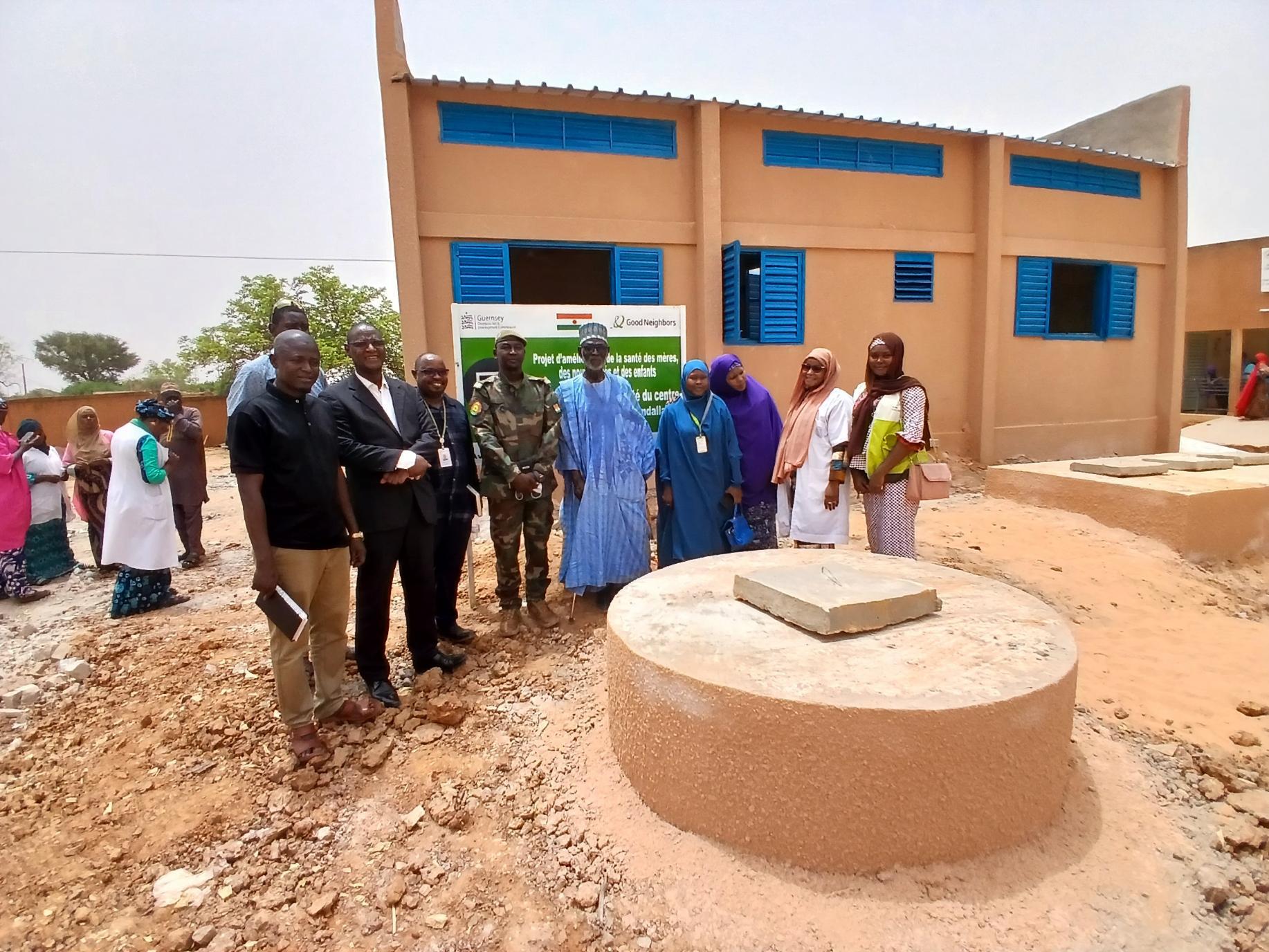
Strengthening health infrastructure

Overstretched wards leave women giving birth on the floor.
  • Building and expanding maternity wards to relieve pressure on overstretched facilities
  • Equipping them with delivery beds, medical devices and modern furnishings
  • Installing autonomous solar power, and accessible ramps, toilets and washing facilities
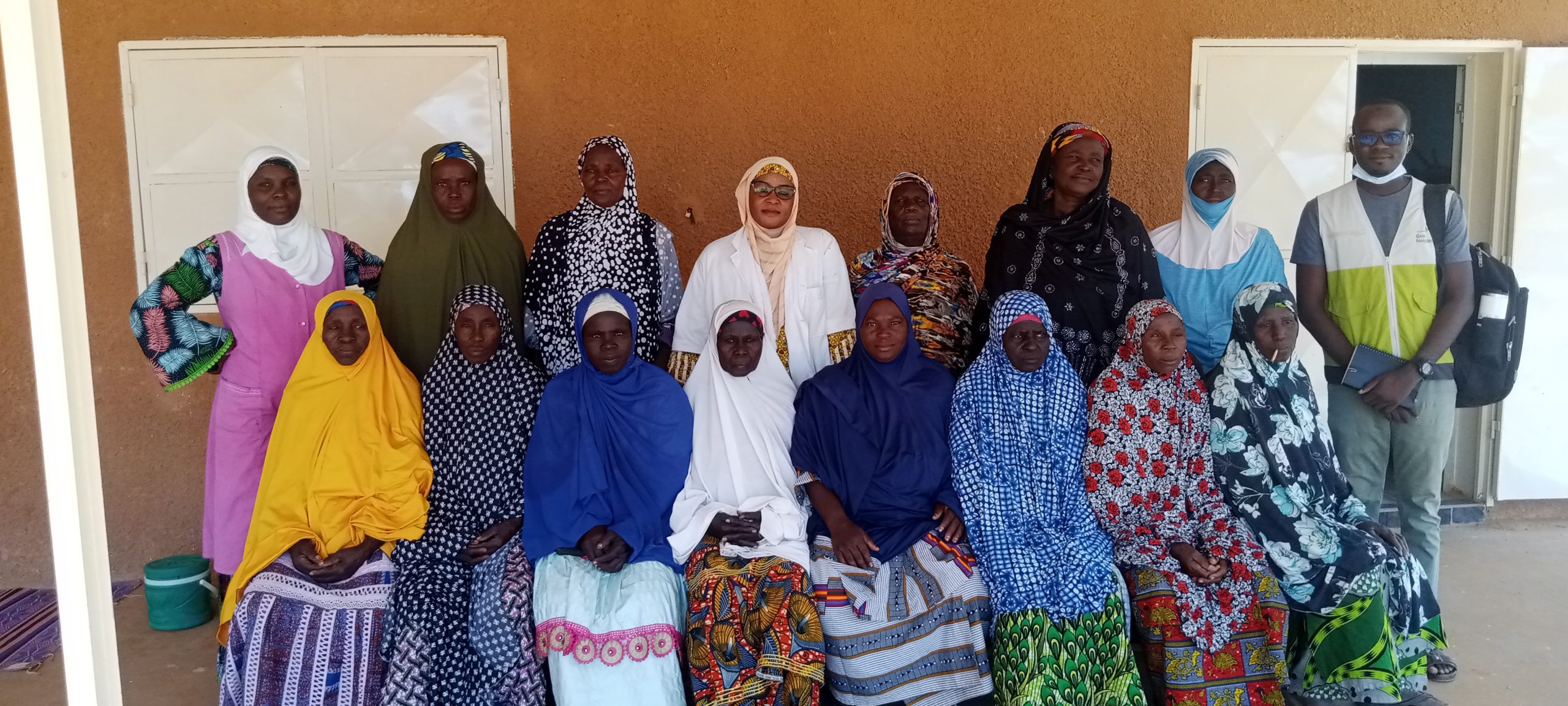
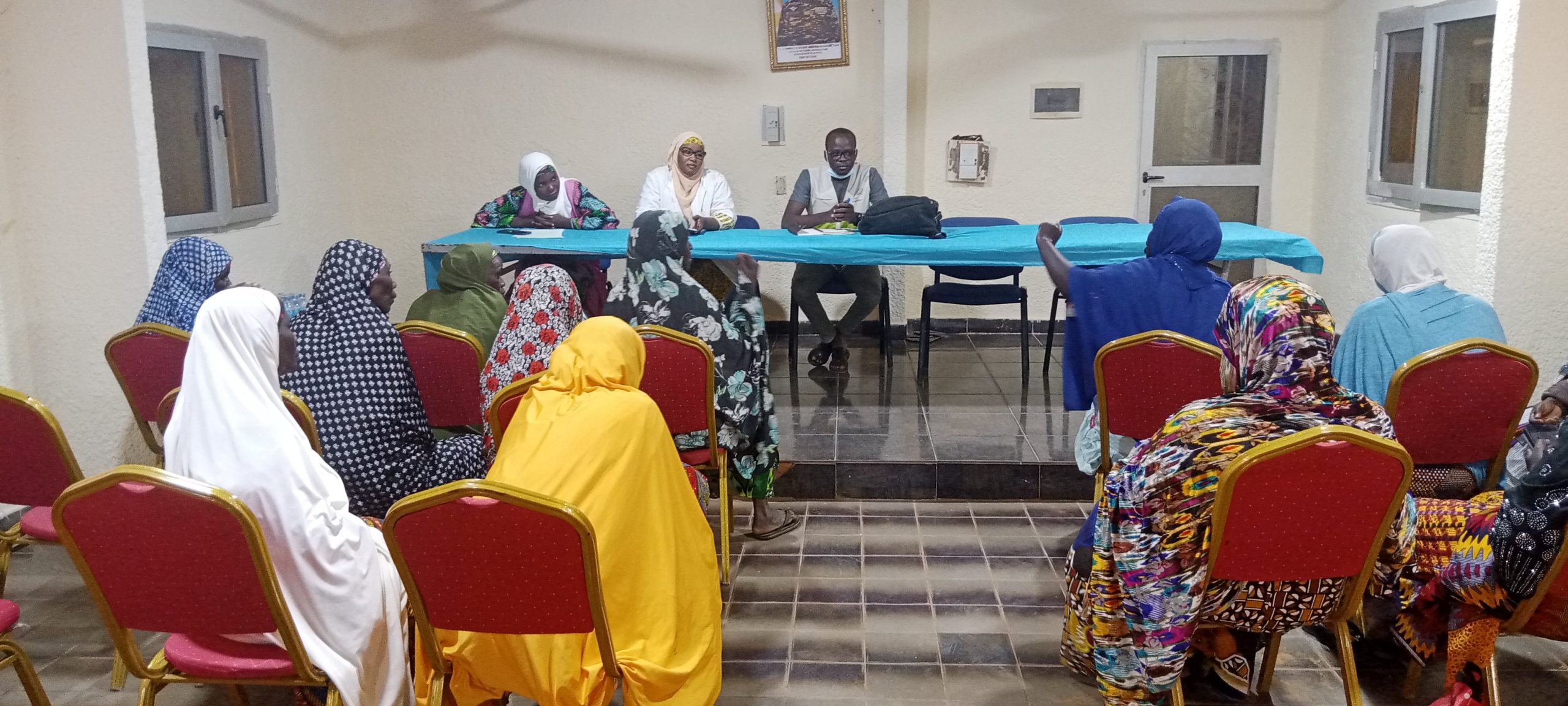
12 Nov training family photo

Supporting health workers & volunteer mothers

Skilled staff and trusted local voices change outcomes.
  • Training midwives and nurses in quality prenatal, intrapartum and postnatal care
  • Equipping volunteer mothers as peer educators in their own villages
  • Strengthening record-keeping and data management for better decisions
Picture1

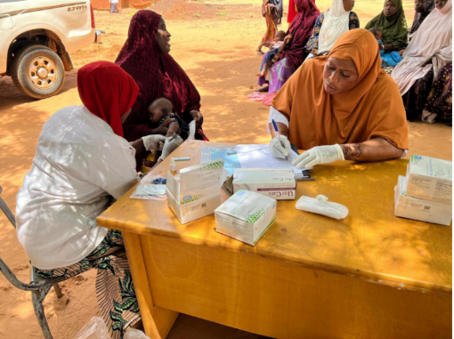
Integrated malaria prevention

Malaria is a leading cause of child death.
  • Screening and treating young children for malaria
  • Distributing mosquito nets ahead of peak season
  • Building malaria prevention into routine maternal and child health care
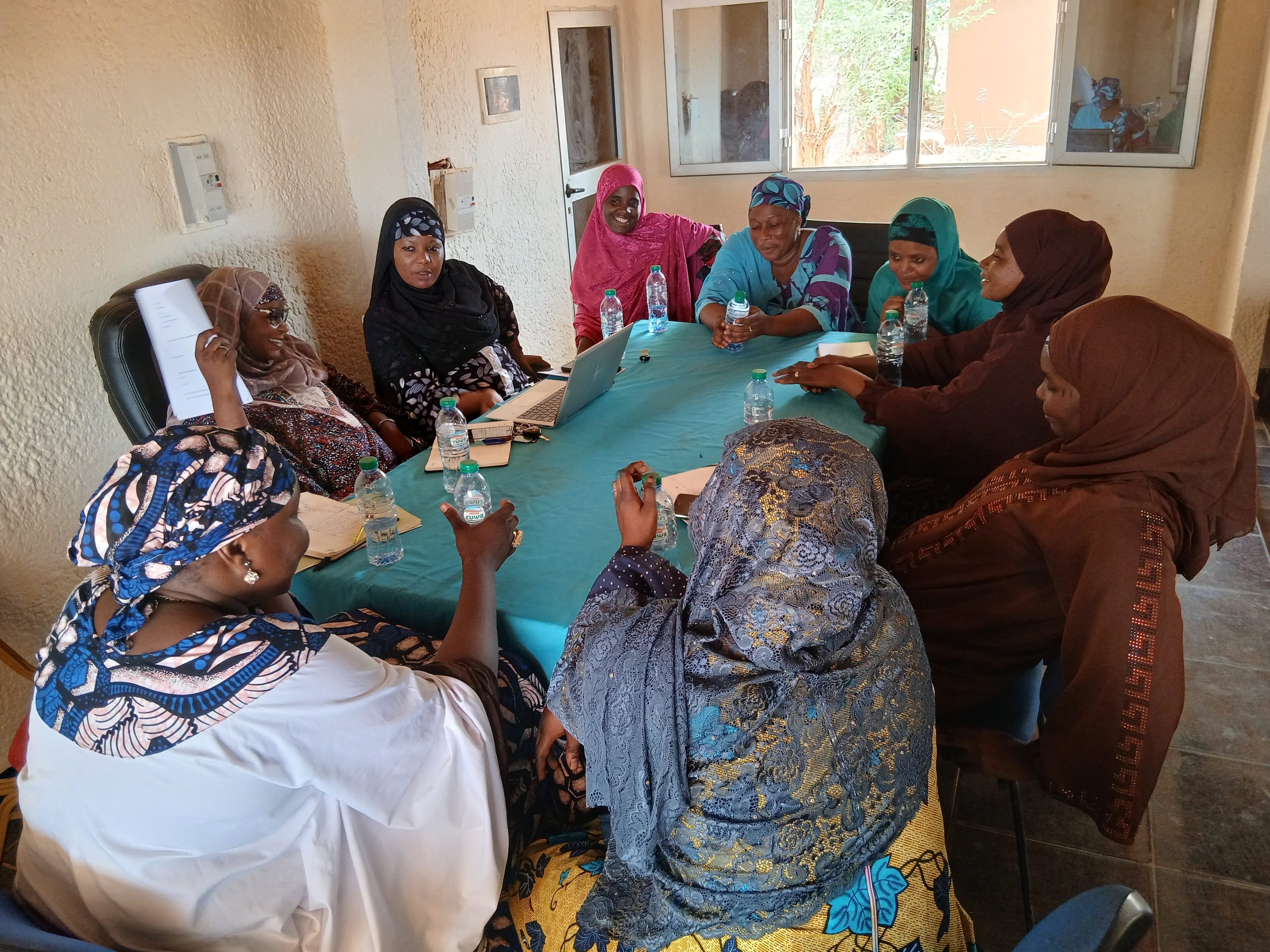
12 Nov training photo interactive discussion

Strengthening governance & local ownership

Lasting change needs local ownership
  • Establishing multi-stakeholder steering committees to oversee delivery
  • Holding regular coordination meetings with district health authorities
  • Handing facilities and staffing to government so gains outlast the funding
Our IMpact

The story so far...

Reached a year
Screened for malaria
Nets distributed
Mothers trained
More 4th ANC visits
Supported by
Images

What can my donation achieve?

£5
🛡️
0
mosquito nets to protect families from malaria
OR
🔎
0
children tested & treated for malaria
OR
👩‍🍼
0
volunteer mothers trained as peer educators
OR
🩺
0
health workers trained in maternal & newborn care
♥ Make a donation
Stories from Nepal

Where the project lands

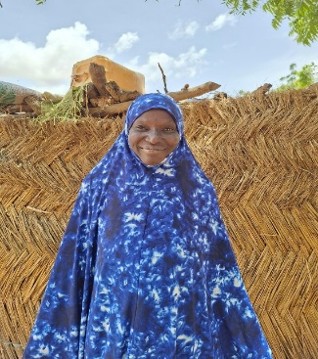
“Before receiving trainings from Good Neighbour's health project, many things were not clear to me. Now, people see me as a bridge between them and the health centre. These trainings have given me more confidence, and I'm proud to see my community changing through my actions”

Aissa, Volunteer motherBerry Koira Village, Niger
Picture1

Since the construction of the new facilities, more women and children attend the health centre, and many women are giving birth in the health centre.

Ammin*, Health WorkerHamdallaye, Niger
*name anonymised
20250521

Interested in this work?

Learn more about our approach or get in touch to discuss partnership opportunities.

Copyright © 2026 Good Neighbours UK
Good Neighbours UK is a registered charity in England & Wales (No. 1191924) and a company limited by guarantee (No. 12118933)
Address: Priory Street Centre, 17 Priory Street, York, YO1 6ET

Disclaimer | Cookies | Privacy | Whistleblowing | Safeguarding

Zarina Douglas-Sori
Chief Executive
Zarina studied international development at the University of East Anglia and since 2001 has worked for charitable organisations in the United Kingdom and overseas in the fields of poverty alleviation, inclusion, food security and sustainability.

Zarina is passionate about community-led development and empowering minority and disadvantaged groups to lead positive and impactful development and social change. Prior to joining Good Neighbours UK, Zarina worked as a grant officer for Joseph Rowntree Charitable Trust. Zarina has experience of leading and managing development programmes. She spent 13 years in West Africa supporting farming families to improve their subsistence and commercial agriculture. Zarina is bi-lingual in English and French and loves learning languages. In her free time Zarina enjoys crochet, karate and yoga.
})